Eternal Optimism in GMing: Embracing Challenge and Fun
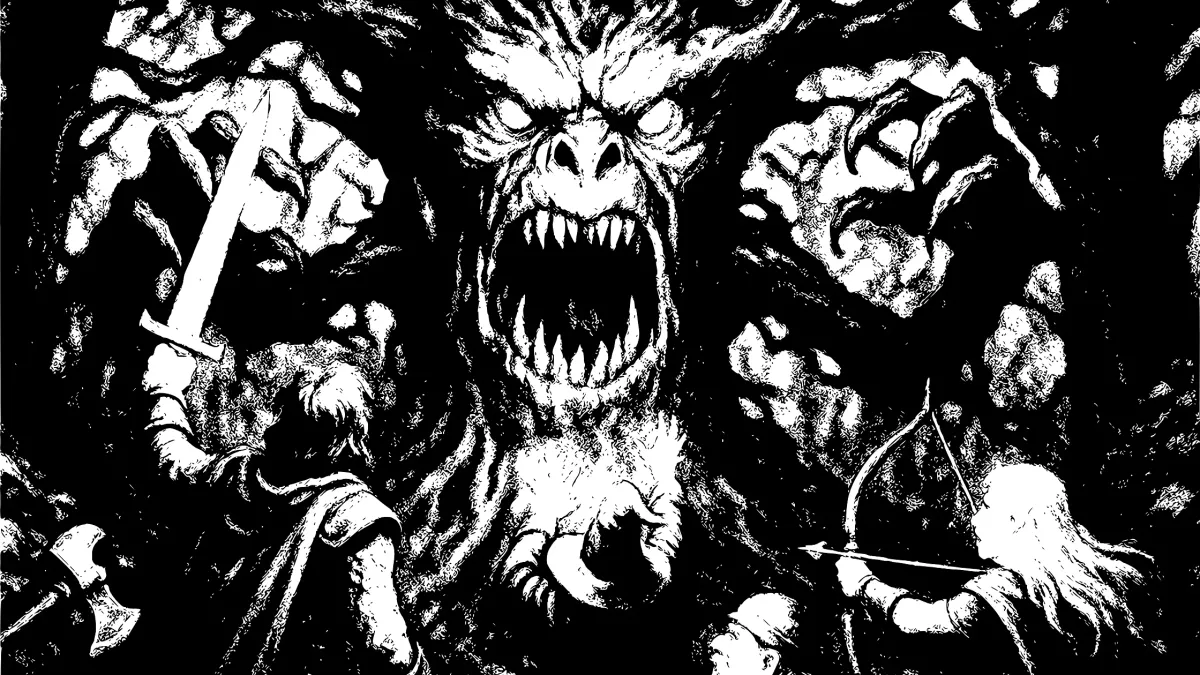
Here’s the thing. I am an eternal optimist when it comes to GMing tabletop roleplaying games. In every dramatic encounter, I root for my players. I smile each time a lock is picked or a trap is found. When the big bad finally falls, I celebrate just as much as my players. I truly enjoy seeing my players succeed in my game.
Now, this doesn’t mean I’m an easy GM. I still create encounters that are challenging. Sometimes, by design, they’re even a bit too challenging. And therein lies my frustration: players who don’t realize when it’s time to retreat.
Please, Just Run Away!
I guess the question that comes to mind is: should an encounter occur if there is no way to win via violence? Or, to put it another way: is it acceptable to design encounters that can’t be won?
My immediate response is: yes. Fights that seem insurmountable at first make narrative sense. It’s just like any good story. Sometimes you don’t win on the first fight. It took Luke three movies to finally defeat Darth Vader-and he even lost a hand in doing so.Yet many players assume that if an encounter happens, it must be beatable through combat. Part of this mindset stems from GMs themselves. For too long, we’ve just given fights to players so they can grab some loot, earn XP, and move on. And yeah, I know, that doesn’t go for everybody. So please, don’t blow up my socials and email with how not every GM is like that. While that’s true, many more GMs still design encounters primarily for player victory.
Providing Fearful Hints
So if I’m laying the blame on us GMs, then I should probably toss some guidance out here. Otherwise it’s merely me yelling into the wind. Well, here goes nothing.
- Make your hints big and unmistakable.
Subtle doesn’t work. Your players are not going to figure out your perfectly placed single word regarding needing to fly a blue chariot through a green circle for a big bad to be defeated. And they definitely won’t believe you if you say that the fight seems very difficult. They’ll just go on their way and attempt to hack their way to a win. - Gradually build up the sense of the insurmountable.
Don’t go from 0 to 100 in a single session. Let the fights grow in difficulty so that the players know that it may be a bit too difficult in the future. Maybe they should go back and train. Build up their skills. They’re not gonna take down a god at level 2. - Let NPCs offer clear and practical advice.
Sometimes you just gotta toss an NPC into the group who will let them know there is no way they are going to defeat the 60-foot sentient tree with their Level 1 spells and simple axe. That lovely NPC might even mention that the last time they were beaten was by a group of 10 formidable warriors.
Wait, are we back into hinting again?
Don’t Listen to Me
In the end, it’s up to you to figure out what you want to do. I am merely the optimist here and I want to help my players not completely perish. I believe in my years of GMing I’ve only had one TPK. And that was just unlucky overall. I never want to see an entire group perish in one go. It’s just not narratively exciting to me. So I’m gonna continue working on ways to help my players.
Now, tell me your thoughts. How terribly wrong am I? Why am I doing it wrong? Trust me, I’m ready for your thoughts — fire away.